Dr. Twayne R. Hickman, Professor of Military Strategy, Ted Stevens Center for Arctic Security Studies
I’ve spent more than 25 years supporting the Marine Corps, including 12 years on active duty. My career has included operational assignments, two deployments to Iraq, professional military education, and most recently, future force design and development at the Marine Corps Warfighting Laboratory. My academic background is in organization development and conflict analysis and resolution, with a particular interest in the gap between what we think military organizations should do and what happens when we put those ideas into practice on the ground.
In plain English, I’m most interested in how military organizations operate, why they do the things they do, and how they adapt to changing circumstances. How do organizations prepare for complicated environments? How do commanders make decisions? Why don’t things always work out the way we planned? Much of that interest grew out of my experiences in Iraq, particularly in Ramadi, and eventually became the focus of my doctoral research.
At the Marine Corps Warfighting Laboratory, we examined future operating environments, developed concepts and capabilities to address emerging threats, and used analysis, experimentation, and wargaming to inform the design and development of the future Marine Corps. In many ways, this was the other side of the same coin: rather than examining why military organizations operate the way they do, we were asking how they should operate in the future and what changes would be necessary to get there. That experience reinforced my interest in connecting strategic challenges to practical operational requirements—and ultimately determining what capabilities our warfighters will need to succeed.
The Arctic presents a fascinating extension of those questions. Understanding the region is important, but so is exploring together what its unique conditions mean for military operations—and how we might organize, equip, train, and employ forces to meet future challenges. Bringing together different experiences, disciplines, and perspectives to work through those questions offers an opportunity to develop insights that are both strategically informed and practically useful to our warfighters.
What attracted me to TSC was the opportunity to work alongside colleagues and students who bring a wide range of experiences and perspectives to understanding an increasingly important strategic region. There’s a tremendous opportunity to learn from one another, share ideas, and work through the difficult questions of what Arctic strategic competition means for military operations, capabilities, and decisions. I look forward to contributing my own experiences in military strategy, future force design, and operational planning to those conversations, while learning from the considerable expertise already at the Center and among our students. Ultimately, it’s about collectively developing a better understanding of how our military organizations operate today, what they’ll need to do tomorrow, and how we can better prepare for those challenges.
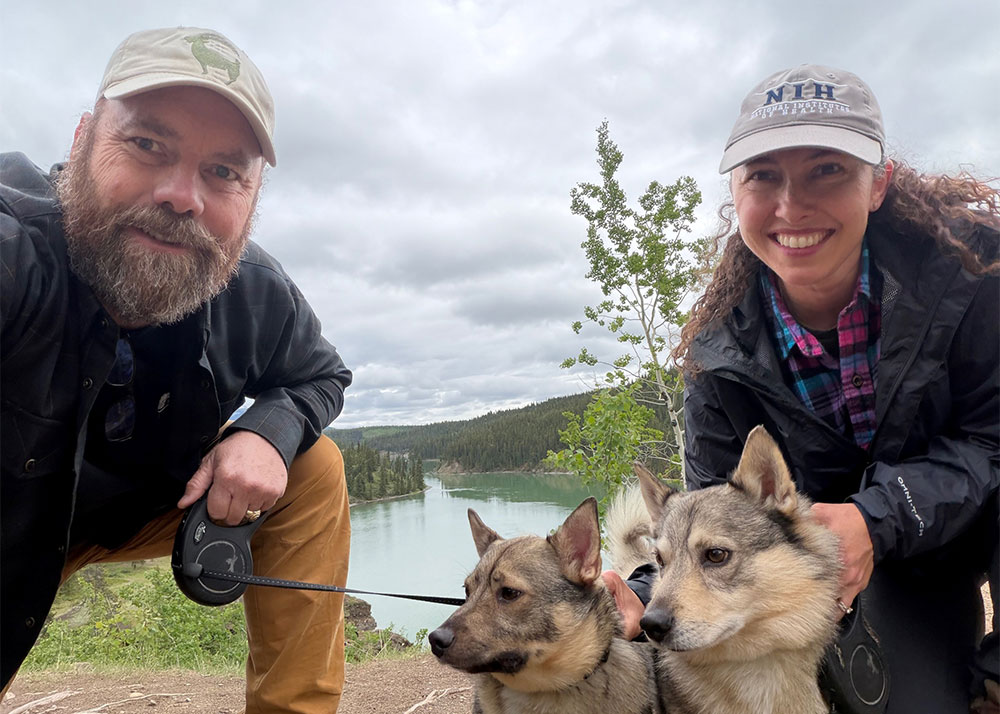
On a personal note, Alaska was a big part of the attraction. My wife and I are enjoying getting settled in Anchorage, exploring the outdoors, and taking advantage of everything Alaska has to offer.