
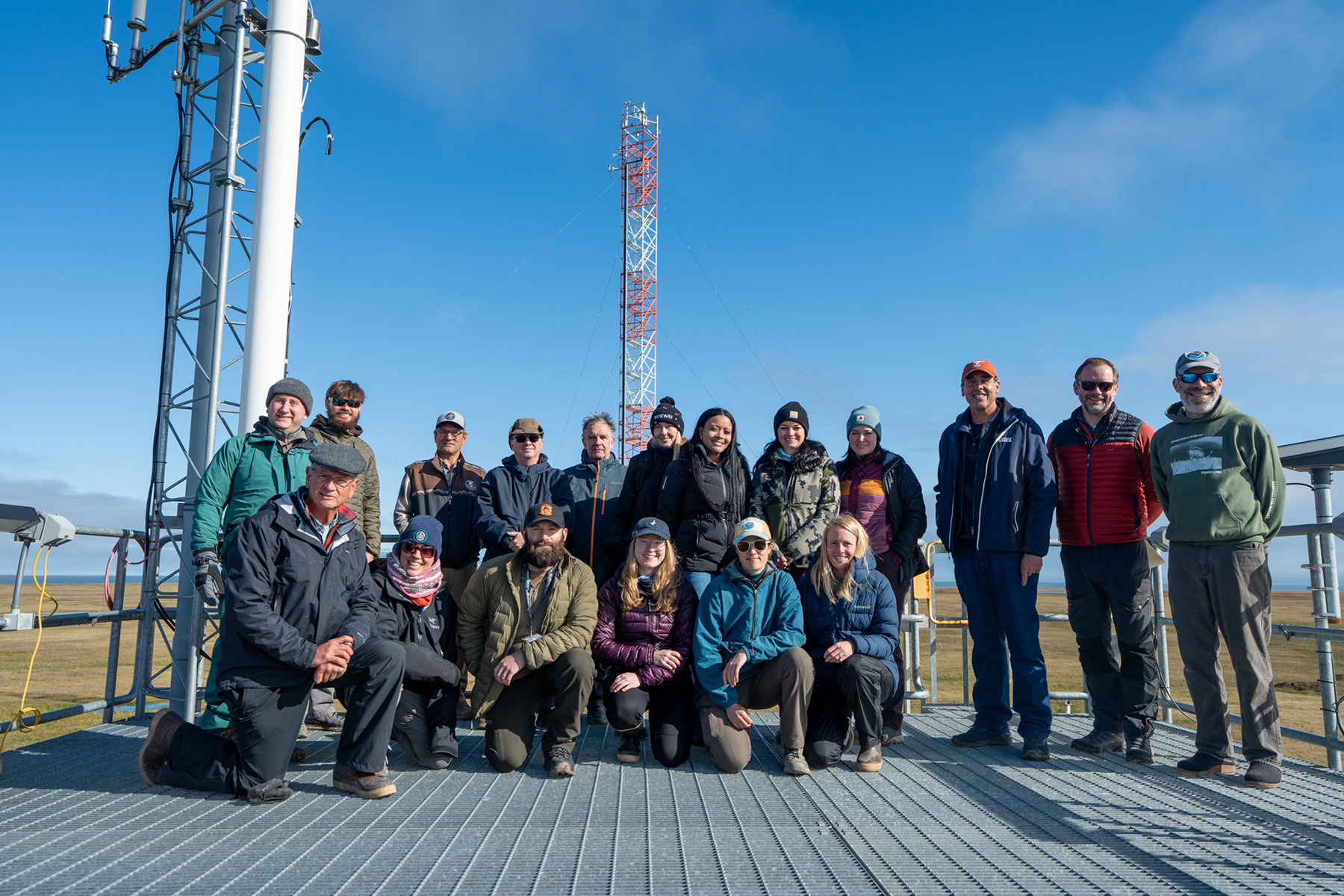
UTQIAĠVIK, Alaska — The Ted Stevens Center for Arctic Security Studies conducted its North American Arctic Field Workshop here from Aug. 17–20, aiming to educate security practitioners, policymakers, and defense leaders on the region’s strategic and operational realities. The immersive, in-region workshop is a critical component of the center’s Regional Security Dialogues.
By experiencing the unique geography, infrastructure limitations, communication challenges, and community dynamics of the Arctic firsthand, participants built durable networks and generated actionable insights to support future national defense and Arctic policy.
High-Level Praise for a Substantive Program
The success of the 2026 workshop has already resonated at the highest levels of leadership in Washington, D.C. Following the program’s conclusion, the Assistant Secretary of War for Homeland Defense and Americas Security Affairs commended the TSC and praised the field workshop.
The Assistant Secretary commended the intense effort put into creating a highly substantive and engaging format, noting that the program was well worth the time of busy national security colleagues. This high-level recognition underscores the value of the Ted Stevens Center’s hands-on approach to Arctic education.
We would like to express our deepest gratitude to all our participants, organizers, and regional partners. Thank you for your partnership and collaboration as we work together to help Arctic policy makers and military practitioners learn more about the reality of living and operating in the Arctic, the Honorable M. Roosevelt Ditlevson remarked.
Our regional hosts and scientific partners were indispensable in delivering world-class training experience. Following the site visits, Dr. Andrew Glen, PhD, Manager of Atmospheric Sciences at Sandia National Laboratories, shared his reflections on the program’s value:
“It was my pleasure to join the group on the visit to Utqiaġvik, and I hope all of your cohort found the site visit informative and of value. Please let me know the next time you are planning another field visit and we will endeavor to provide another tour to suit the scope of your agenda.”
The Reality of Living and Operating in Utqiaġvik
Grasping the operational realities of the High North requires an intimate understanding of the severe environmental constraints defining life in Utqiaġvik. Located roughly 660 nautical miles northwest of Anchorage on Alaska’s North Slope, the community operates under extreme solar cycles, characterized by 24-hour “Midnight Sun” from May 10 to August 2, followed by the profound darkness of the “Polar Night” from November 18 to January 24.
Weather conditions in this coastal region are notoriously unforgiving. Temperatures routinely swing between a freezing -55 degrees Fahrenheit and a brief summer high of 75 degrees, with daily minimum temperatures dipping below freezing an average of 324 days each year. Operating in such a climate is further complicated by severe logistical isolation; the town is accessible year-round only by air via the Wiley Post-Will Rogers Memorial Airport, and cellular and internet connectivity remains highly limited. For the workshop participants, these conditions provided a visceral lesson in the extreme physical, technical, and communications challenges that define modern Arctic civic and military operations.
Deep Dive: Recommended Operational Readings
To build on the physical and operational insights gained during the workshop, several core research papers served as intellectual anchors for the academic discussions. To understand the baseline of tactical operations, participants examined the recent logistics and communications challenges documented in Arctic Warfighting: Lessons from JPMRC 25-02. Building upon those operational lessons, the U.S. Department of War technical manual UFC 3-130-05: Arctic and Subarctic Utilities provided an essential framework on the specialized engineering required to construct and sustain utility systems in permafrost.
These infrastructure realities directly impact emergency response timelines, a vulnerability analyzed deeply in the study on tactical hypothermia management and medical evacuations, Casualty evacuation in Arctic and extreme cold environments. Ultimately, addressing these compounded challenges requires a united regional front, making the strategic arguments for shared domain awareness and interoperability in U.S.-Canadian Security Cooperation is Critical to Achieving a Stable Arctic a vital final read for defense practitioners looking to secure the High North.
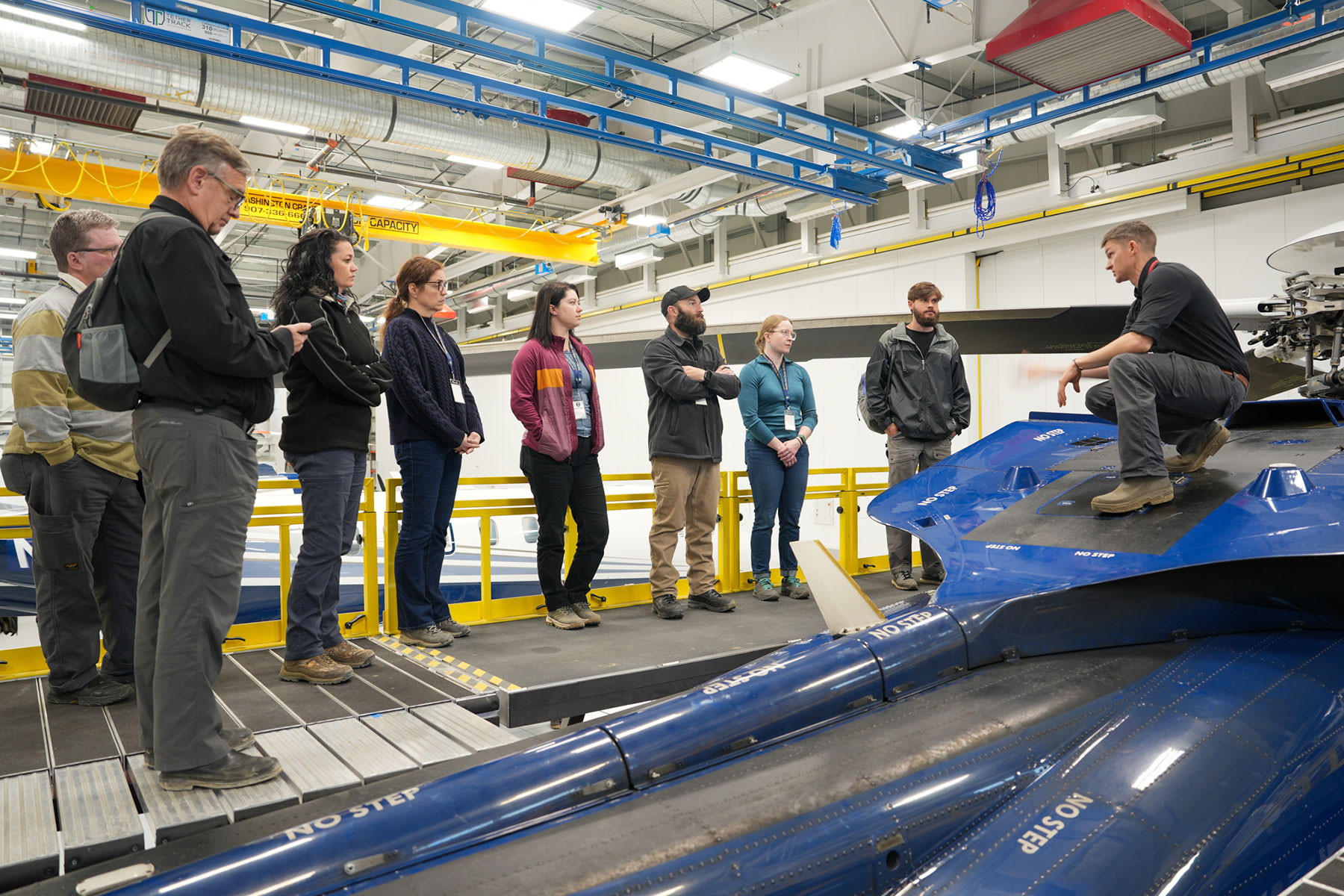
Participants visited the North Slope Borough Search and Rescue Department. The hanger houses operations for the borough’s airborne response system, which handles medical evacuation, search and rescue missions, and emergency responses across the region.
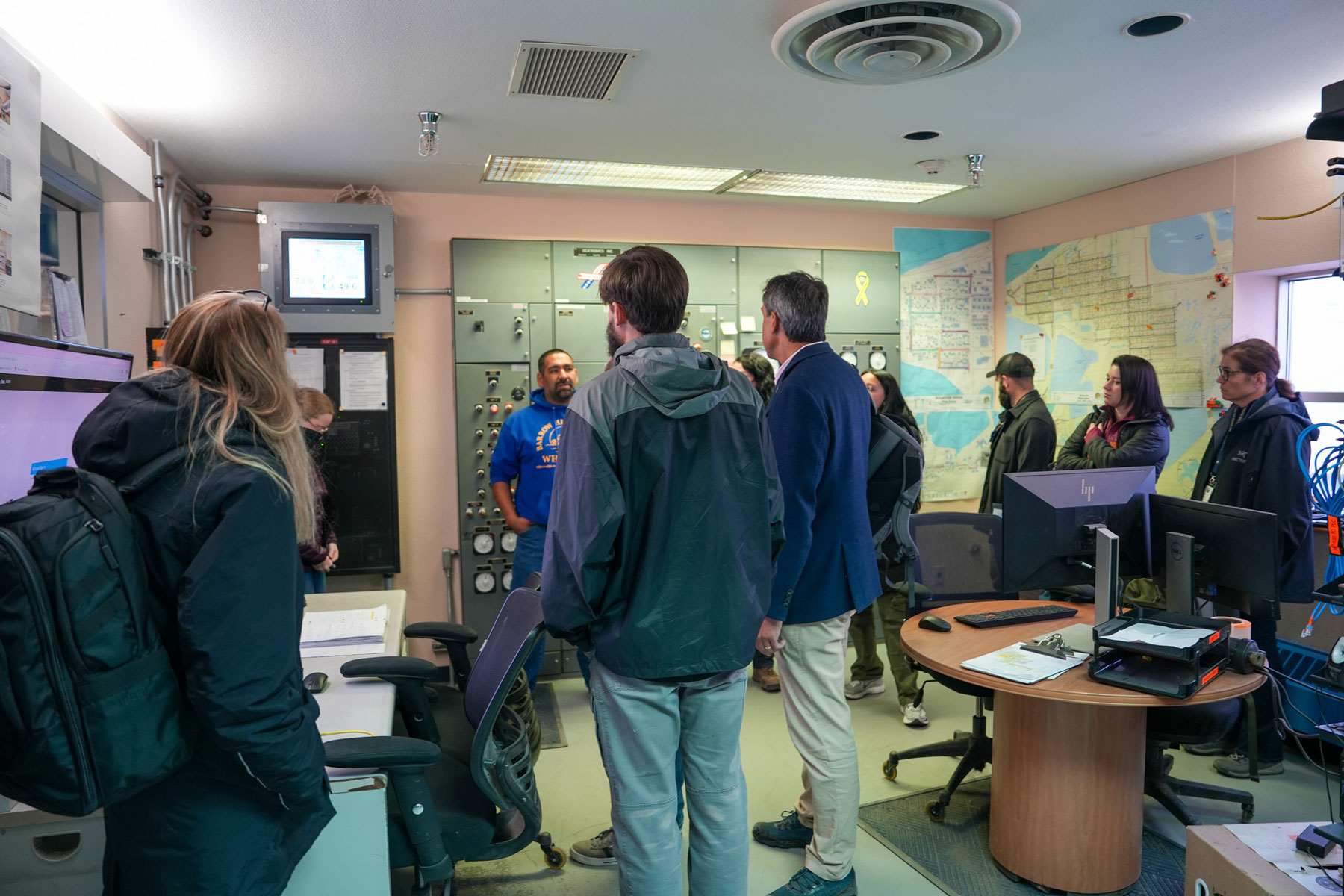
The Team also visited the Barrow Utilidor System in Utqiaġvik, Alaska, is a 3.2-mile underground utility tunnel network built in 1984 by Barrow Utilities and Electric Cooperative, Inc. to transport heated water, sewage, electricity, telephone lines, and fiber optics. Meeting the challenges of continuous permafrost, the Utilidor keeps essential services accessible and operational year-round.