
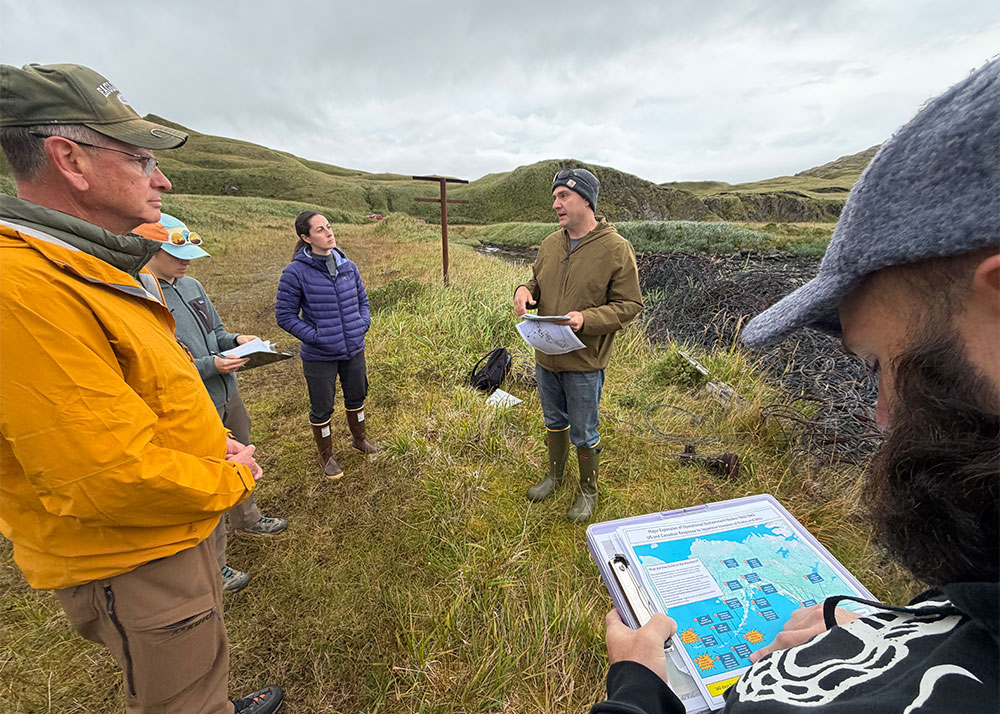
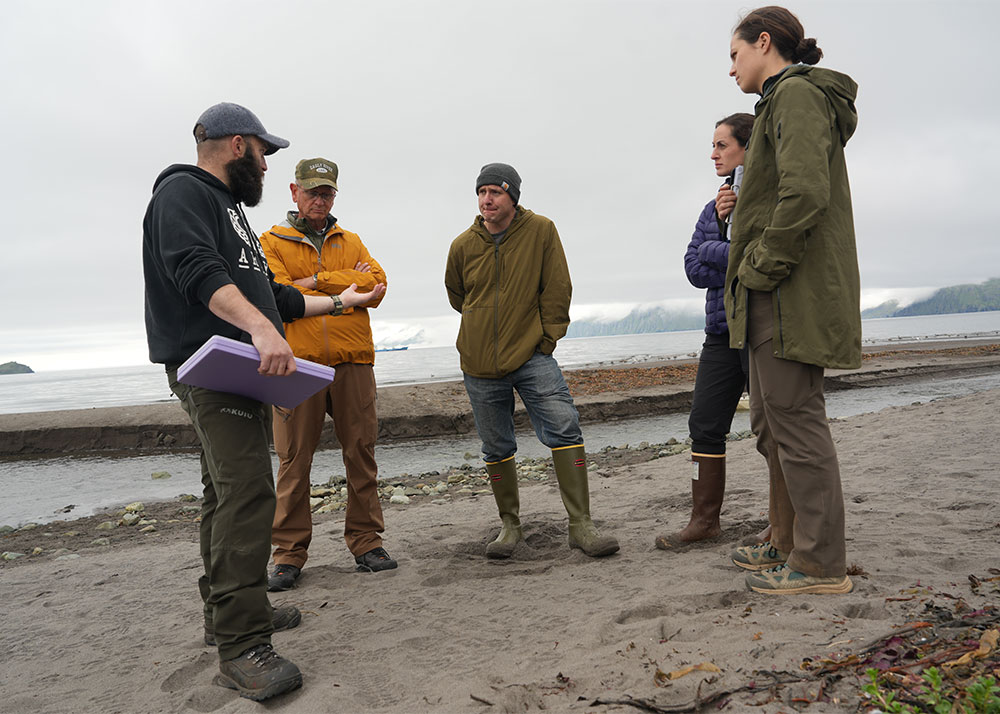
ADAK, Alaska — Across the windswept expanse of Adak Island, where the footprints of past military infrastructure dot a landscape bordered by the churning waters of the Bering Sea and the North Pacific, military history and modern Arctic strategy meet.
This month, personnel from the Ted Stevens Center for Arctic Security Studies touched down at this remote outpost—situated some 1,200 miles southwest of Anchorage and about 500 miles from the closest Russian Territory—to assess what it takes to operate on the western edge of the American frontier. The Arctic-Pacific Field Site Survey served as a hands-on pilot program designed to immerse defense researchers and analysts in the stark operational and logistical realities of the Aleutian Chain.
Long nicknamed the “birthplace of the winds” for its notorious storm systems and gusts regularly topping 50 miles per hour, Adak is a study in contrasts. During the height of World War II and the Cold War, the former Naval Air Station bustled with tens of thousands of service members monitoring Soviet submarine routes. Following the base’s closure in 1997, the population plummeted, leaving behind massive airfields, deep-water ports, and sprawling military housing now partially owned by the Aleut Corporation and the U.S. Fish and Wildlife Service.
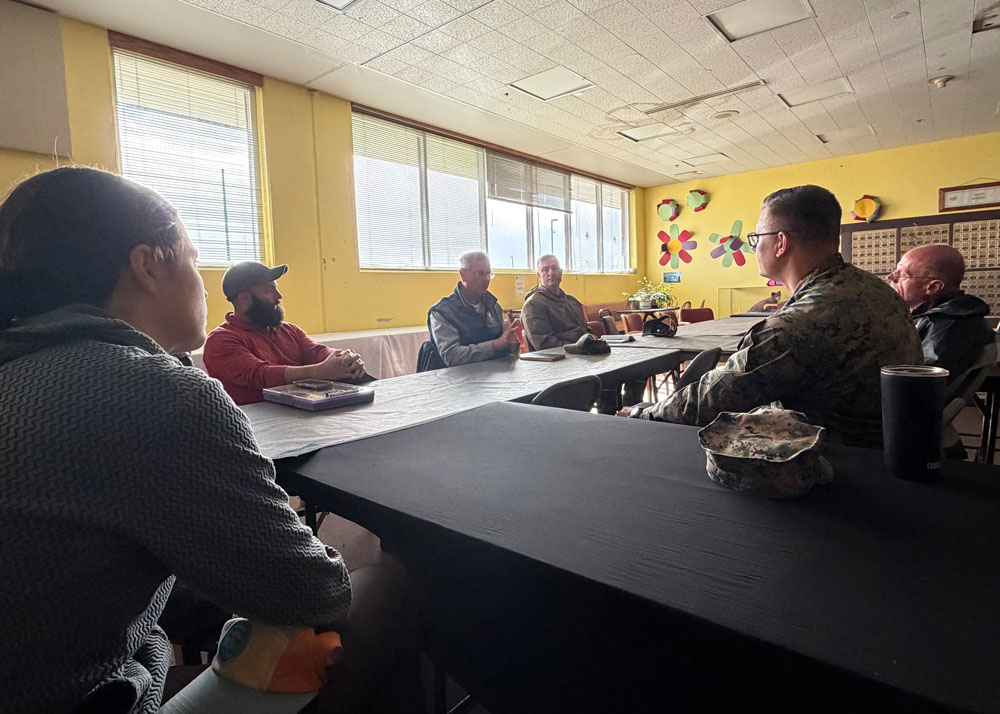
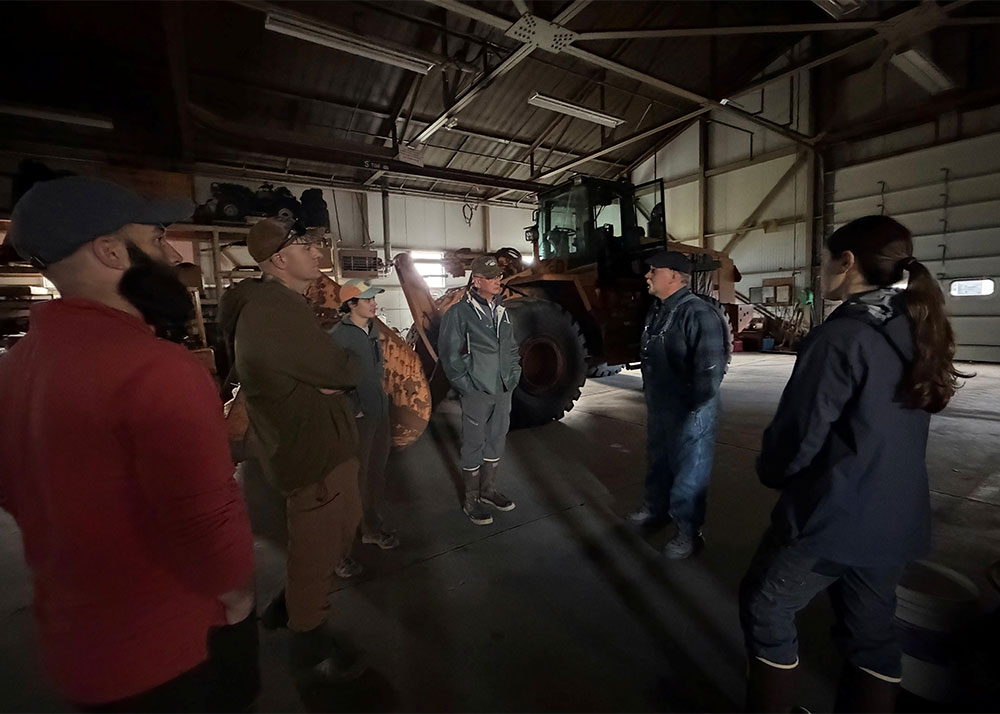
For researchers at the Ted Stevens Center, stepping onto the tarmac provided lessons briefing or academic seminar could replicate. Over several days of historical field study, site visits, and direct discussions with local leaders, the survey team confronted the intricate mechanics of sustaining an outpost in the maritime Arctic.
This visit served as an educational prototype designed to build an experienced cadre of staff and refine a repeatable model that the center can replicate across other critical, austere locations throughout the Arctic theater. It also shed light on a frequently overlooked geographical reality: under the federal statutory framework established by the Arctic Research and Policy Act of 1984, the U.S. Arctic encompasses not only lands north of the Arctic Circle, but the entire Bering Sea maritime frontier and the Aleutian chain. Defense research in Adak reinforces this wider definition, ensuring national security planning reflects the full scope of U.S. maritime approaches.
A central insight emerging from the trip is that Adak’s primary hurdle is not simply a lack of modern investment, but a profound scale mismatch. The island inherits infrastructure built to support a large military base, yet any renewed defense interest demands modern, scalable, and modular solutions. Key lifelines across the island—aviation fuel, electricity generation, potable water, wastewater management, and satellite communications—are tightly interdependent with virtually no built-in redundancy.
The visit also spurred deeper strategic conversations regarding broader posture in the North Pacific. Participants debated the trade-offs between financing permanent, shore-based facilities like Adak versus relying on flexible, mobile platforms such as expeditionary vessels and amphibious task forces. The discussions also grappled with workforce realities, including the enduring challenges of recruiting, housing, and retaining both civilian specialists and service personnel in isolation.
These ground-level evaluations support high-level Department of War priorities articulated by senior military leadership.
Last year, in formal testimony before the Senate Armed Services Committee, Admiral Samuel Paparo, Commander of Pacific Command, underscored the pressing strategic necessity of the Aleutian corridor as Russian Pacific Fleet assets increasingly transit the Great Circle route through Alaskan waters. Paparo affirmed official support for reactivating facilities on Adak, pointing out that operating from this westernmost position affords the Joint Force vital “time and distance on any force capability that’s looking to penetrate” while potentially increasing maritime patrol and reconnaissance aircraft coverage across an increasingly contested space.
Beyond the strategic assessments, the survey yielded immediate diplomatic and coordination dividends. Following extensive engagements with local community members and regional entities, the Ted Stevens Center received a formal invitation to join the Adak Integrated Coordination Committee, an interagency body dedicated to synchronizing activities across the island.
While unusually cooperative weather favored last month’s inaugural trip, organizers noted that future iterations will account for the harsh, unforgiving weather that defines the Aleutians. As defense leaders continue to refine national Arctic and Pacific strategies, firsthand field programs like the Adak survey will play an increasingly vital role in grounding national security policy in northern realities.
Ultimately, the Adak survey serves as an operational cornerstone for the Ted Stevens Center’s flagship Regional Security Dialogues, a continuous line of effort that pairs in-region field programs with practitioner forums across key Arctic sub-regions. By bringing analysts and planners face-to-face with the frontier’s physical constraints, the program directly reinforces the center’s core mission: cultivating specialized regional expertise, building durable practitioner networks across joint, interagency, and allied forces, and delivering actionable, ground-tested insight to the warfighter.