The Ted Stevens Center for Arctic Security Studies recently concluded its 2026 Joint Service Academy Arctic Immersion Program, providing a unique, hands-on learning experience for future military leaders.
A subset of the TSC’s broader Fellows, Intern, Scholars and Honoraria program, this initiative aims to deepen the understanding of the Department of War’s role in Arctic security among emerging leaders. For approximately six weeks, two cadets from the U.S. Air Force Academy, Cadets 1st Class Katherine Longuil and Gavin Dustin, and two from the U.S. Coast Guard Academy, Cadets 1st Class Dashiel Albright and Andrew Link stepped out of the classroom and into the Arctic operating environment.
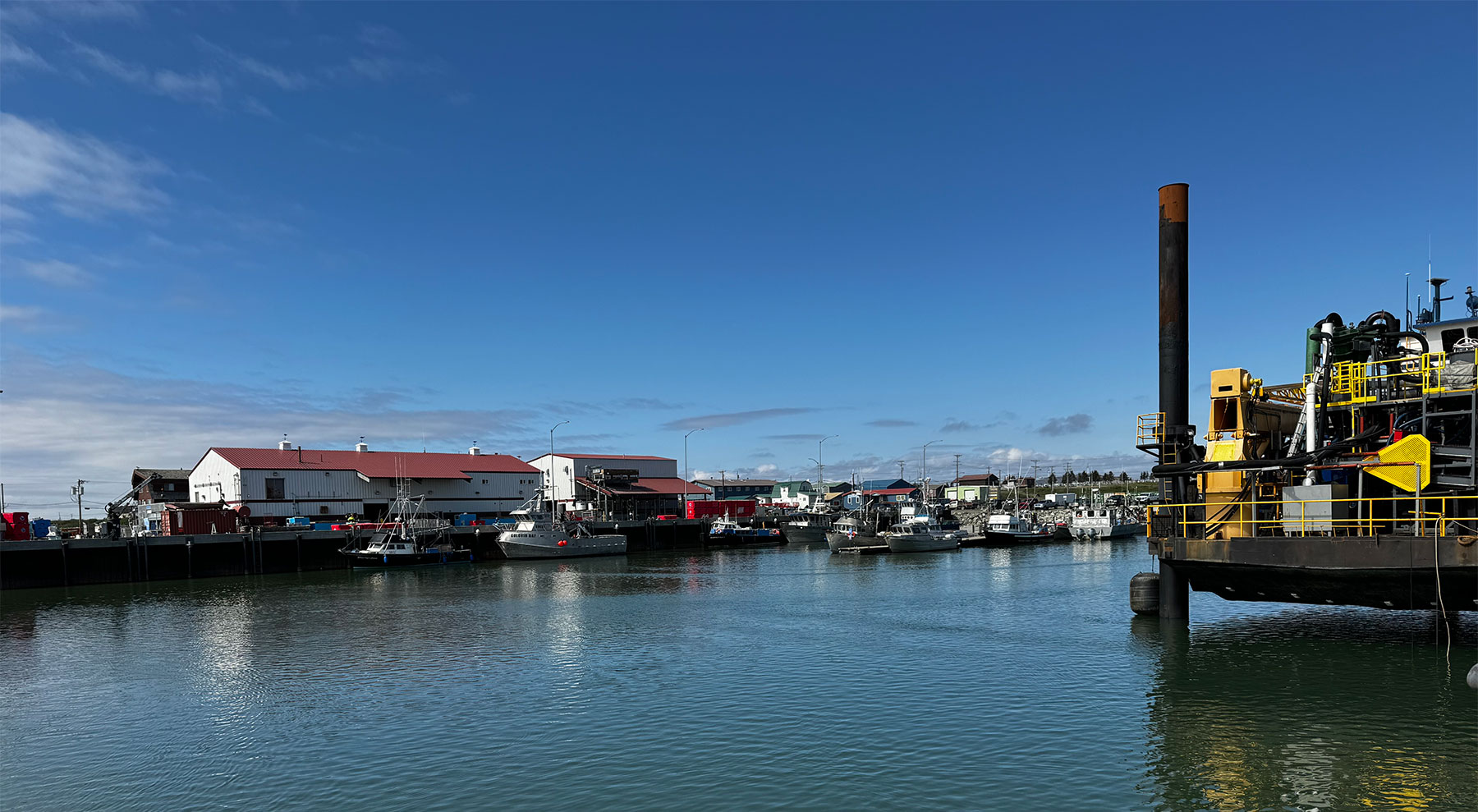
Supported by the TSC’s Research and Analysis Division and the School for Arctic Security Studies, the cadets embarked on a rigorous itinerary designed to highlight the unique challenges and solutions required for U.S. mission success in the region. Highlights included site visits with key local partners such as Alaska Command, the Port of Alaska, and Port Mackenzie, alongside Arctic immersion in remote and strategic locations in Nome and Utqiaġvik.
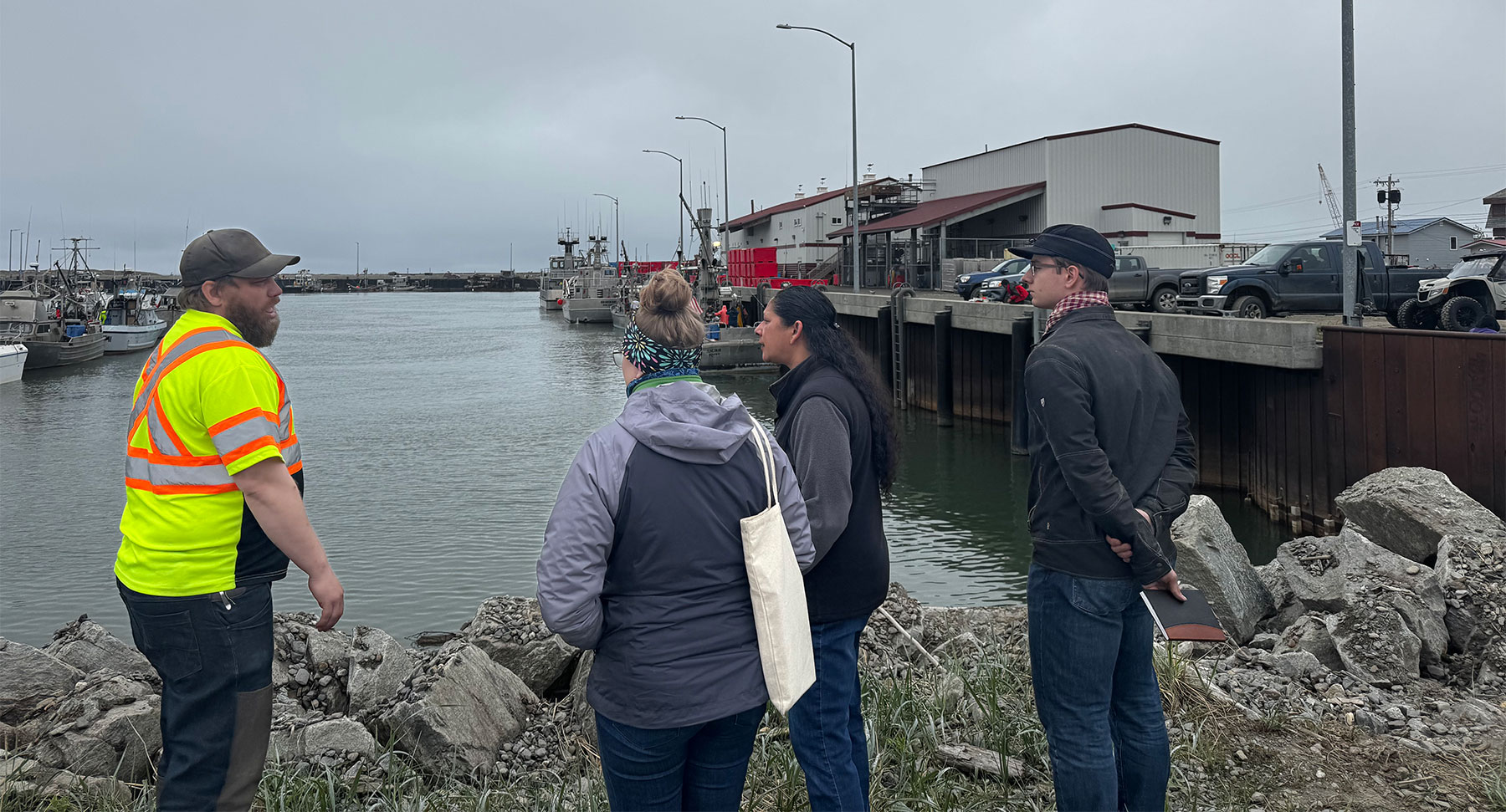
All eyes are on Nome as they start the pier expansion project (sponsored by U.S. Army Corps of Engineers. The success of this project will go a long way supporting continued U.S. presence in the Arctic as it will cut down on transit time for USCG vessels to resupply and return to the Arctic when compared to a Dutch Harbor resupply. (Photo courtesy of U.S. Coast Guard Lt. Cmdr. Taylor Peace, TSC Coast Guard Fellow)
During their immersion, the cadets also advanced critical research projects tailored to their service’s specific needs. The USCGA cadets assessed capabilities and gaps in Arctic and sub-Arctic USCG supporting infrastructure, while the USAFA cadets analyzed historical and contemporary Chinese and Russian relationships in the Arctic and their impacts on U.S. security.
The experience left a lasting impression on the cadets, highlighting the critical human, operational, and infrastructural elements of the Last Frontier.
“During these past couple of weeks, we have learned a great deal,” said Cadet 1st Class Albright. “We have learned about the challenges of operating in the arctic sphere, the lack of safety nets and redundancies in the state’s infrastructure, the importance of subsistence to much of the local population, and the unique relationship of Alaska native groups with the state and federal government.”
The human terrain and local resilience were equally impactful. “The remote visits to Nome and Utqiaġvik allowed me to gain more understanding and respect for the cultures of different local groups in the villages,” said Cadet 1st Class Link. “The people in Alaska are the most important as I learned their resilience and willingness to help people when challenges come, which is what I want to do for my future career.”
Link added that seeing the environment firsthand was unforgettable: “I thoroughly enjoyed learning and listening to the indescribable stories about the lifestyles and history from the people.”
The successful 2026 immersion underscores the TSC’s commitment to tailoring educational opportunities that increase the skills, competency, and expertise of the next generation of U.S. and allied personnel.
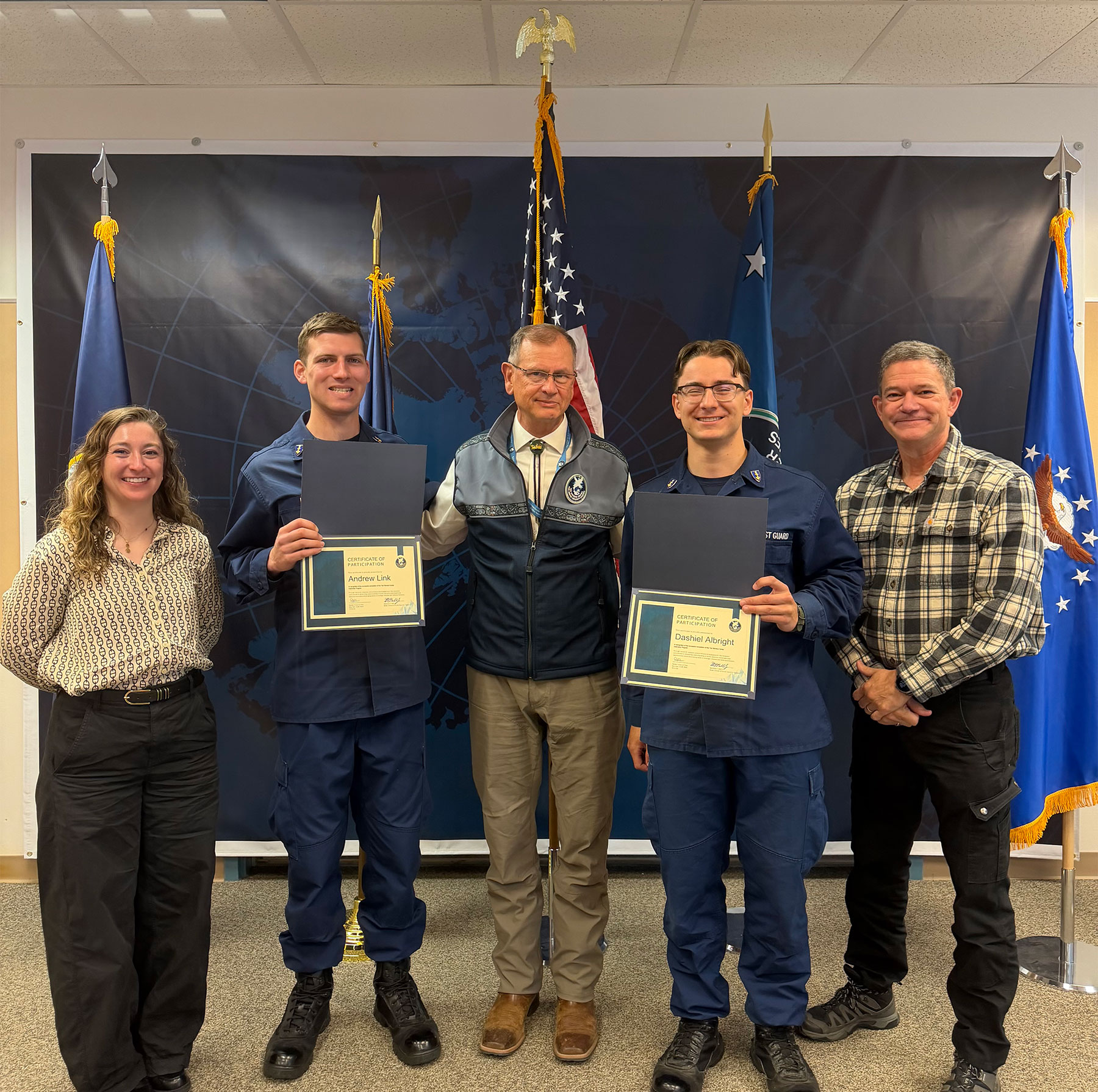
U.S. Air Force Maj. Gen. (Ret.) Randy “Church” Kee, TSC Director, U.S. Coast Guard Rear Admiral (Ret.) Matthew T. Bell, Jr, Dean of the School for Arctic Security Studies, and U.S. Coast Guard Lt. Cmdr. Taylor Peace, TSC Coast Guard Fellow, presented certificates to Cadet 1st Class Andrew Link and Cadet 1st Class Dashiel Albright after their successful completion of the 2026 Joint Service Academy Immersion Program, on July 17, 2026.