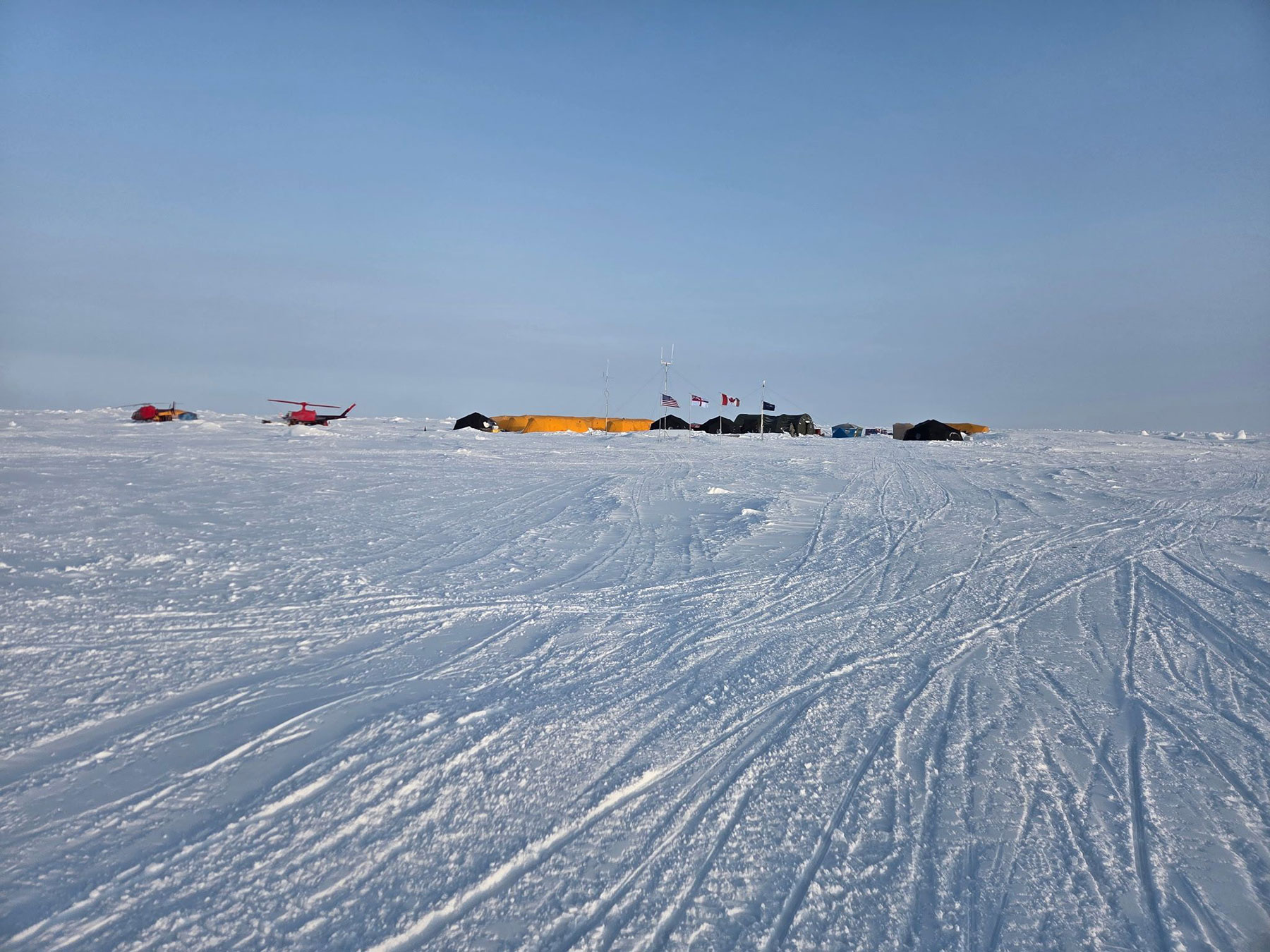
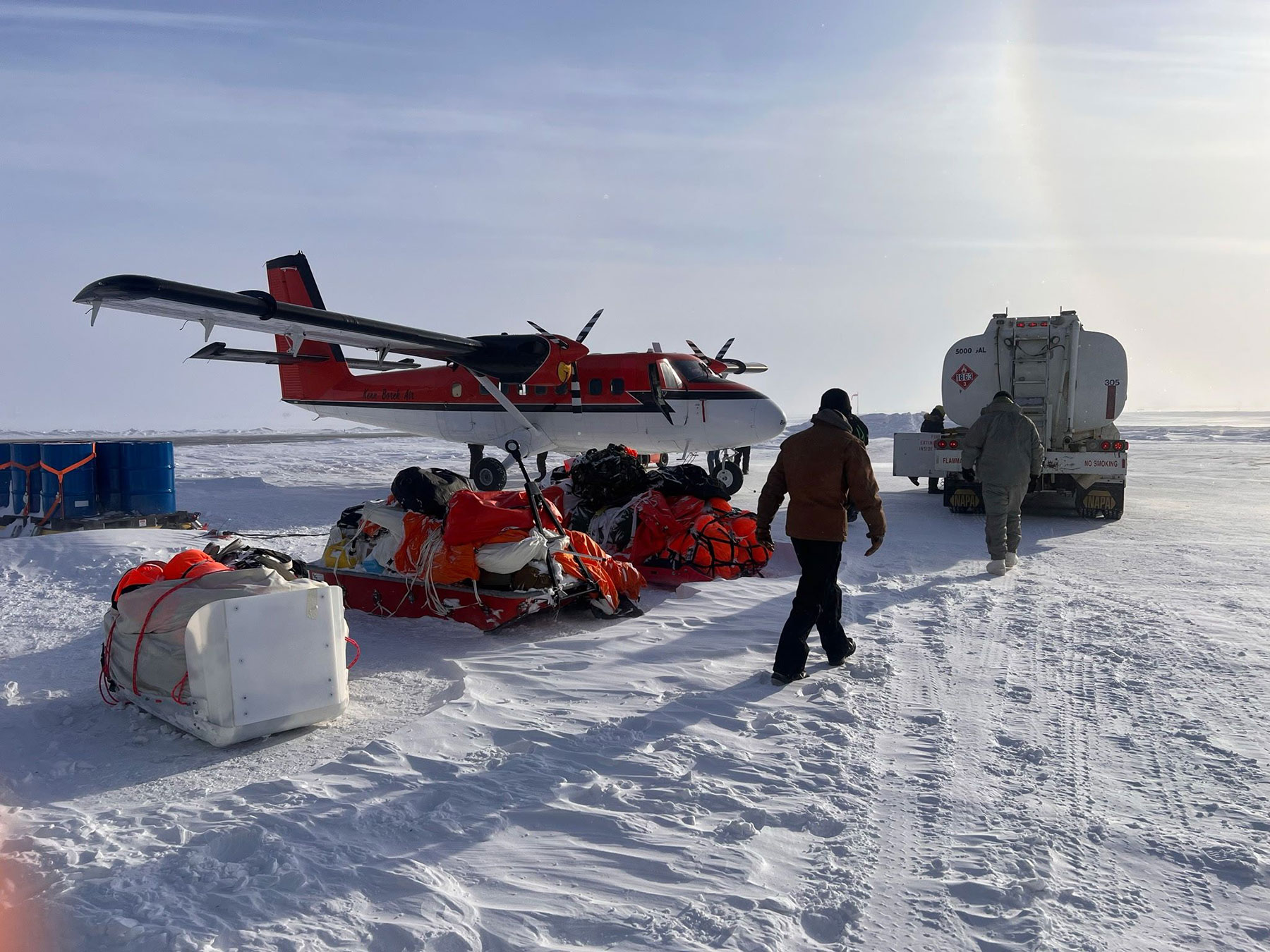
This March, Director Kee traveled to Prudhoe Bay to participate in Ice Camp 2026, a premier biennial operation conducted on the sea ice of the Beaufort Sea. The three-week exercise serves as a critical platform for researching, testing, and evaluating military capabilities in one of the most demanding environments on earth—the Arctic.
Ice Camp is led by the U.S. Navy’s Arctic Submarine Laboratory (ASL), a detachment of the Undersea Warfighting Development Center and the designated “Center of Excellence” for Arctic matters within the U.S. Submarine Force. The operation brings together personnel from across the joint force, as well as interagency and partner organizations, to advance operational readiness, validate emerging technologies, and strengthen collective understanding of Arctic operations.
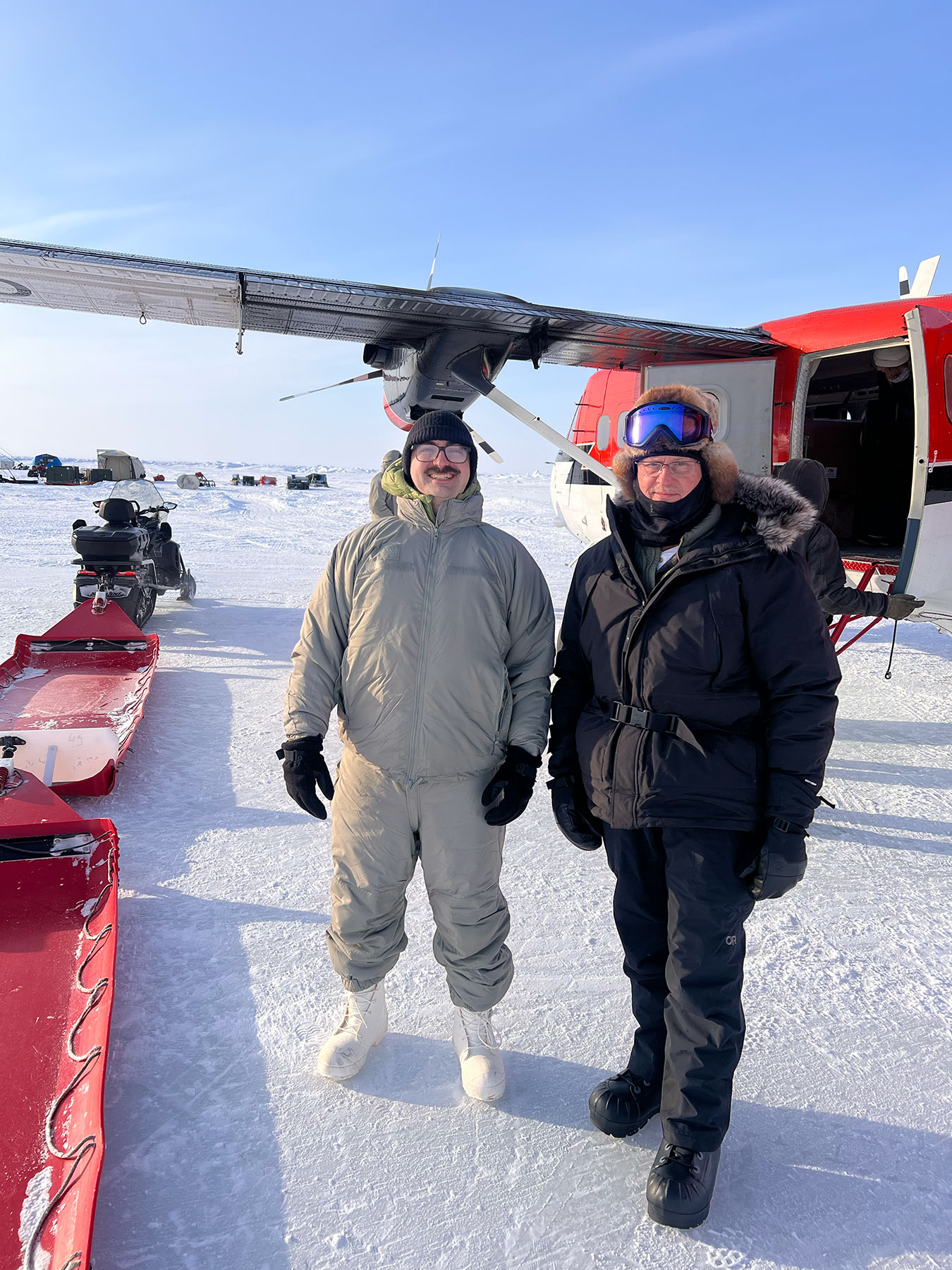
Director Kee was joined by Deputy Associate Director Matt Schell and Arctic Fellow LCDR Sam Krakower, United States Coast Guard, forming a Ted Stevens Center delegation focused on engaging with participants across the camp. Their presence underscores the Center’s commitment to connecting research, education, and real-world operational insights in support of Arctic security.
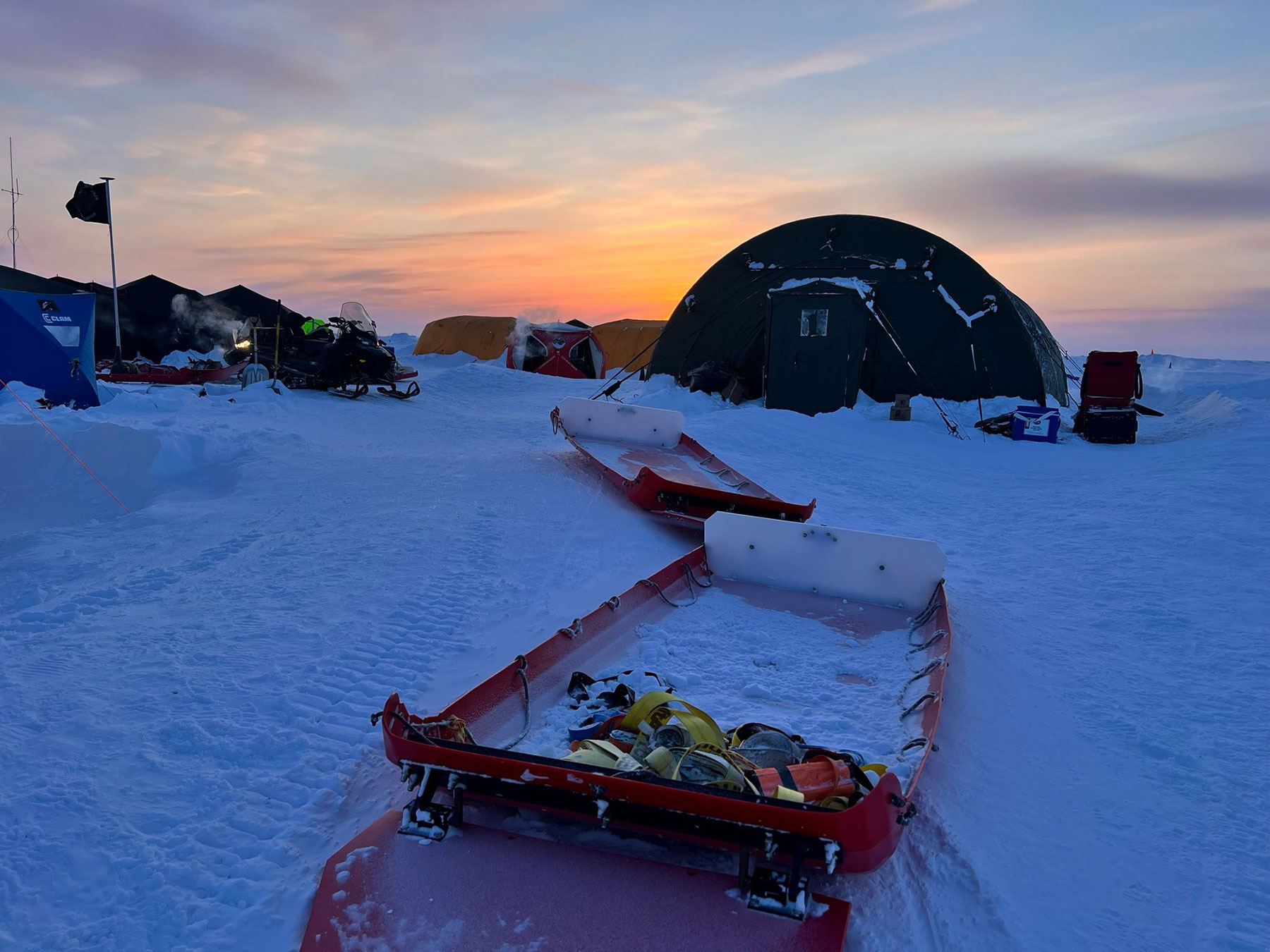
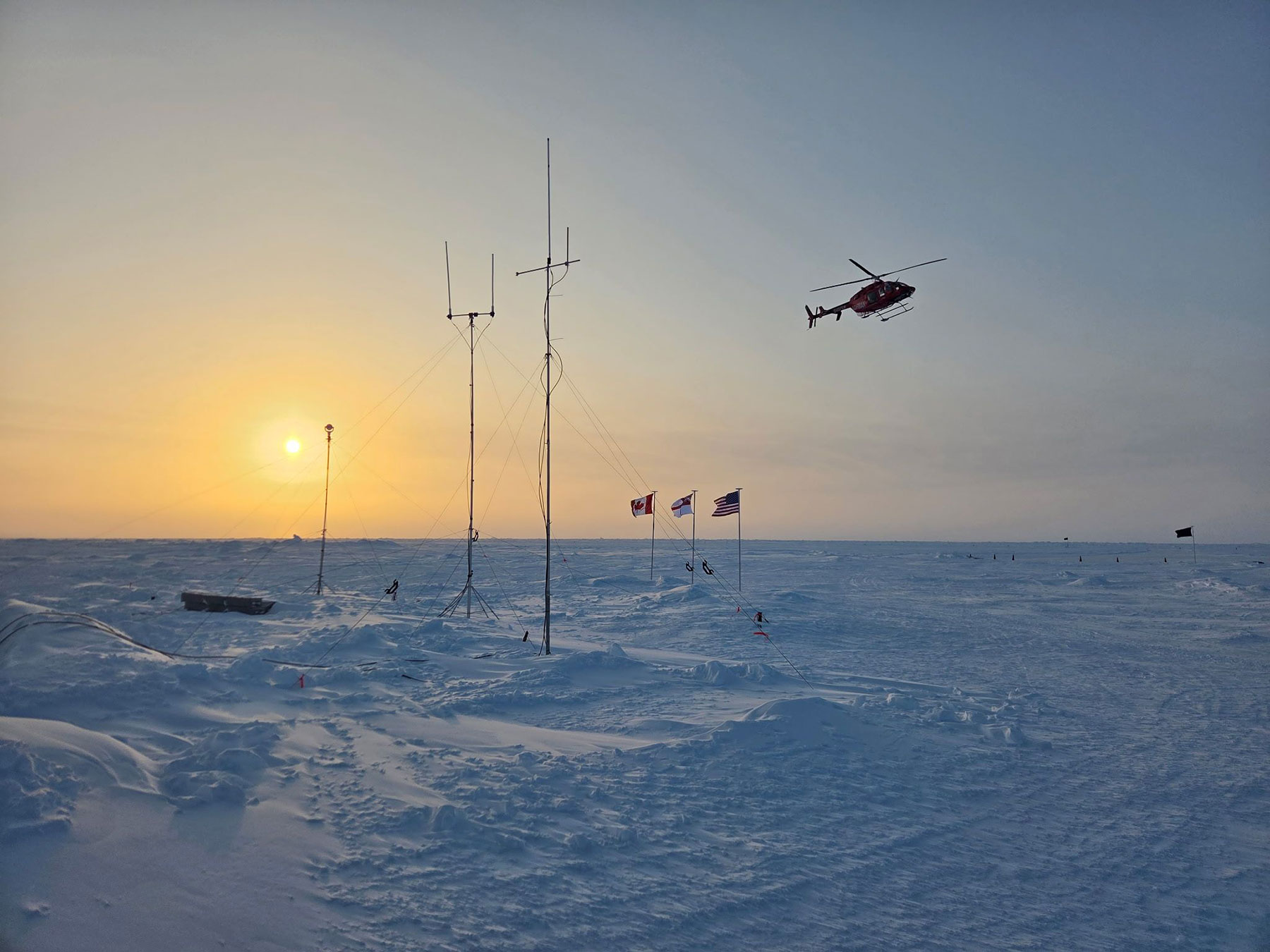
Operating directly on the sea ice introduces a set of challenges that cannot be replicated elsewhere. Environmental conditions during this year’s camp highlighted the severity of the Arctic climate. Overnight temperatures dropped to -21°F, with wind chills ranging between -45°F and -50°F. In such conditions, even brief exposure requires careful preparation and strict adherence to cold-weather protocols. For personnel working in field parties—often far from immediate shelter—the risks are amplified, reinforcing the importance of training, equipment, and discipline in extreme cold.
Beyond the physical challenges, Ice Camp provides invaluable opportunities to observe how forces adapt to and operate within the Arctic environment. From testing under-ice capabilities to refining logistics and sustainment practices, the exercise contributes directly to improving the U.S. military’s ability to operate effectively in the High North.
For the Ted Stevens Center for Arctic Security Studies, participation in Ice Camp 2026 represents an opportunity to deepen institutional knowledge, strengthen partnerships, and ensure that lessons learned in the field inform future education and engagement efforts. As Arctic activity continues to increase, initiatives like Ice Camp remain essential to building the readiness, cooperation, and strategic understanding required to operate in this increasingly important region.